-

Low-Carbon Steel Pipe: Definition, Advantages, and Applications
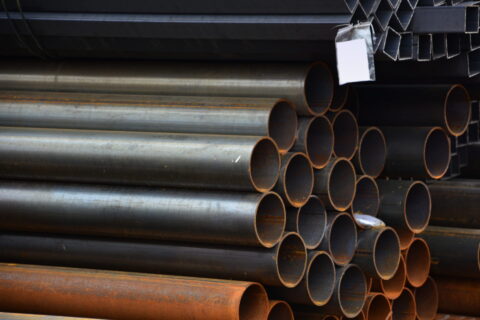
Low-carbon steel pipe refers to steel pipe with a carbon content typically ranging from 0.05% to 0.25%. Depending on its carbon content, it is also known as “mild steel pipe.”
-
What Materials Are Steel Pipes Made of, and How Do They Differ?
Steel pipes are primarily classified by material into carbon steel pipes, alloy steel pipes, and stainless steel pipes, each possessing distinct advantages and disadvantages.
-
Steel Pipe Schedule Chart: Dimensions & Specifications
Introduction In steel pipe procurement, specifications serve as the core metrics determining product compatibility, cost, and project feasibility. Amo…
-
Advantages and Disadvantages of Carbon Steel Pipes
Carbon steel pipes are a highly common type of piping material, widely used across numerous fields such as energy transmission, mechanical manufacturing, and construction engineering. Compared to other piping materials, carbon steel pipes offer advantages including high strength, resistance to high temperatures and pressures, and low cost. This article will provide an in-depth analysis of the strengths and weaknesses of carbon steel pipes, offering you an effective purchasing guide for carbon steel pipes.